Skip
the hire.

That $85,000 operations hire really costs $147,000 in year one. I build software that does the job for $5,000.

Year one, all in
Hiring an ops person
$147,000
Salary, taxes, benefits, recruiting, ramp
Building the system
$5,000
One time. You own it.

Run the real number before you post the req.

True first-year cost of an operations hire
The salary you budgeted$85,000
Payroll tax, benefits, insurance, laptop+ $35,000
Recruiter, job boards, your hours reading resumes+ $12,000 to $35,000
Sixty to a hundred and twenty days of ramp+ $15,000 to $40,000
Year one$147,000 to $195,000

You know this already. You have hired this role before.

They learned your process. They got good at it. They left in fourteen months and took the process with them. Then you paid the recruiter again.

Software does not quit in March. It does not call out. It does not need a manager, a one on one, or a performance plan. It works the Saturday of Memorial Day weekend and it works at 2am on Christmas.

$5,000. One time. Or keep interviewing.

The job post

Read what you were about to write.

Then look at what you are actually paying $147,000 for.

  1. “Manage client onboarding and intake.”

    A form that fills your CRM, fires the welcome sequence, creates the folder, assigns the tasks, and books the kickoff. Nobody touches it.

  2. “Follow up on outstanding invoices.”

    A system that watches your books, nudges on day 3, day 10, and day 20, escalates to you at 30, and stops the second they pay.

  3. “Maintain the CRM and keep records current.”

    The only reason this is a job is that two tools do not talk to each other. That is a Tuesday, not a salary.

  4. “Prepare weekly reports for leadership.”

    Pulled, formatted, and in your inbox at 6am Monday. Same numbers every week, no chasing, no “sorry, still working on it.”

  5. “Respond to routine customer inquiries.”

    An agent that knows your pricing, your policies, and your calendar, answers the forty questions you get every week, and hands you the one that needs you.

  6. “Other duties as assigned.”

    This is the part where the hire spends six hours a week on something you would never approve as a $147,000 budget line.

None of that requires a person. All of it requires a system nobody built yet.

The honest version.

You have been pitched AI twice this month already. Here is the part they left out.

What it is genuinely good at

  • Reading things. Every invoice, PDF, form, and email, pulling the numbers out correctly, at 2am, for the four hundredth time.
  • Answering the same questions. The forty your team answers every week. It gets thirty eight right and hands you the two that need judgment.
  • Watching and reacting. A deal goes quiet. A payment fails. A number crosses a line. It acts immediately, every time.
  • Moving data between tools that do not talk. A shocking amount of what you pay a human to do.
  • First drafts of anything repetitive. Proposals, follow ups, summaries, reports. You edit instead of write.
  • Following a checklist identically. Thirty steps, same way, every time, no shortcuts on a Friday.

What it still cannot do

  • Judgment with no precedent. If it has never seen the situation, it will guess confidently and be wrong. Those decisions stay with you.
  • Relationships. Nobody wants a bot calling them about a dead parent, a lost deal, or a mistake you made.
  • Fix a broken process. Automate a bad process and you get a bad process running faster and more expensively. We fix it first or we do not build it.
  • Decide what done means. You still have to know what good looks like. I cannot buy that for you and neither can a $147,000 hire.
  • Run forever with zero maintenance. APIs change. Tools update. Something needs a hand eventually.

AI does not replace the person who thinks.
It replaces the person who copies and pastes.

Six things. One of them is your problem.

AI agents

Answers your inbound, qualifies it, books it, logs it. Knows your pricing and your policies. Does not guess, and hands off the second it should.

Internal tools and dashboards

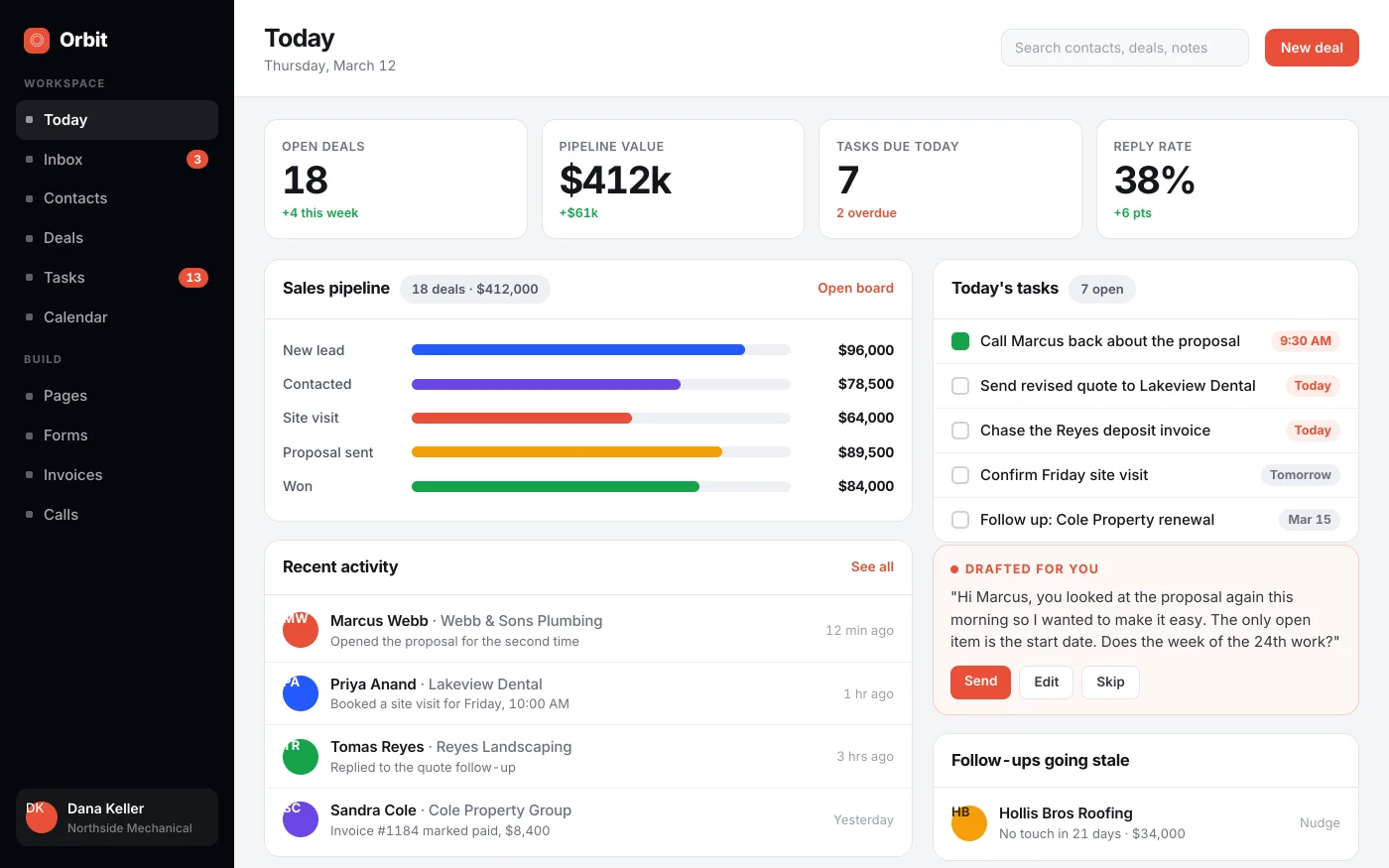
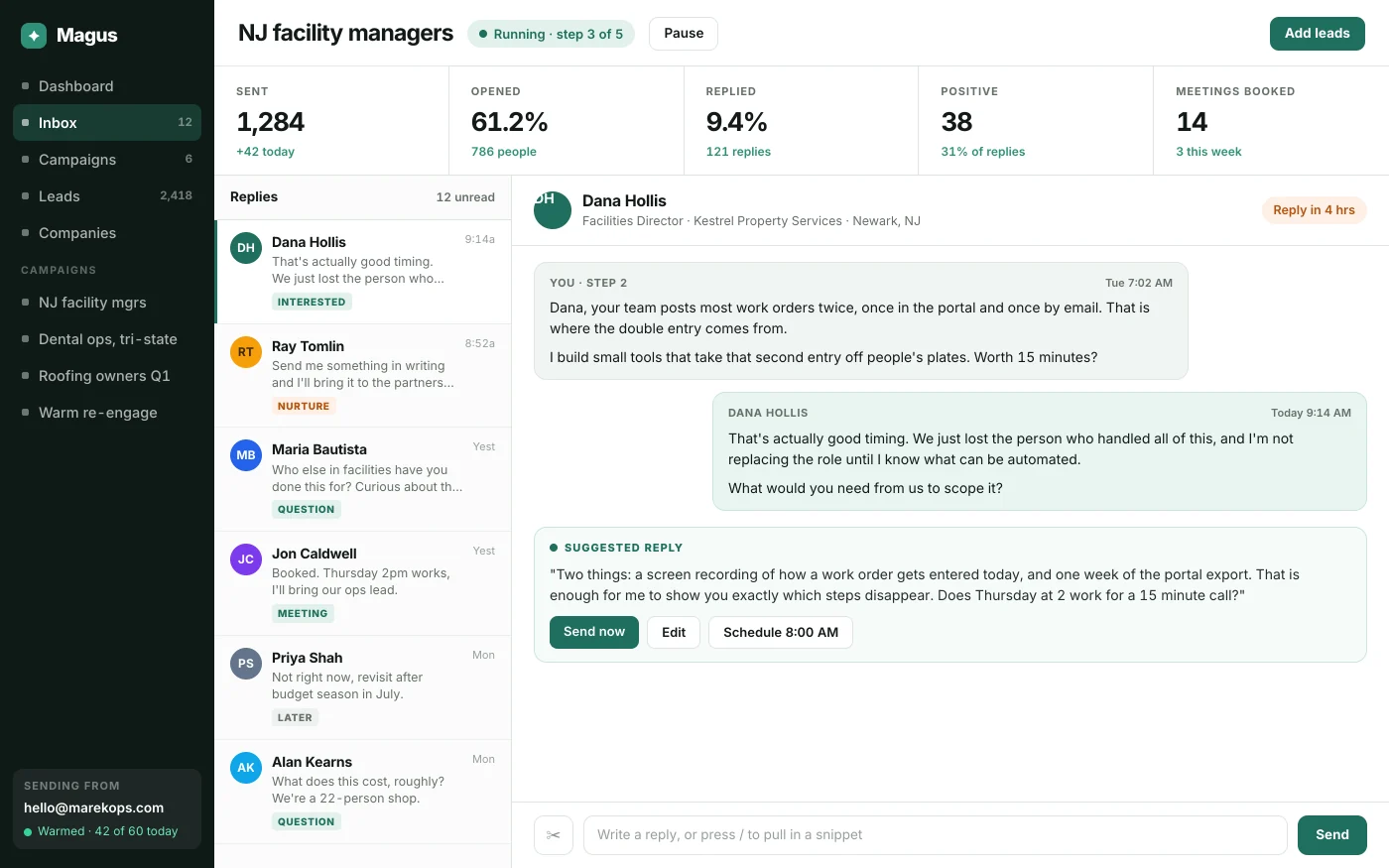
The thing that lives across seven spreadsheets becomes one screen your team actually opens.

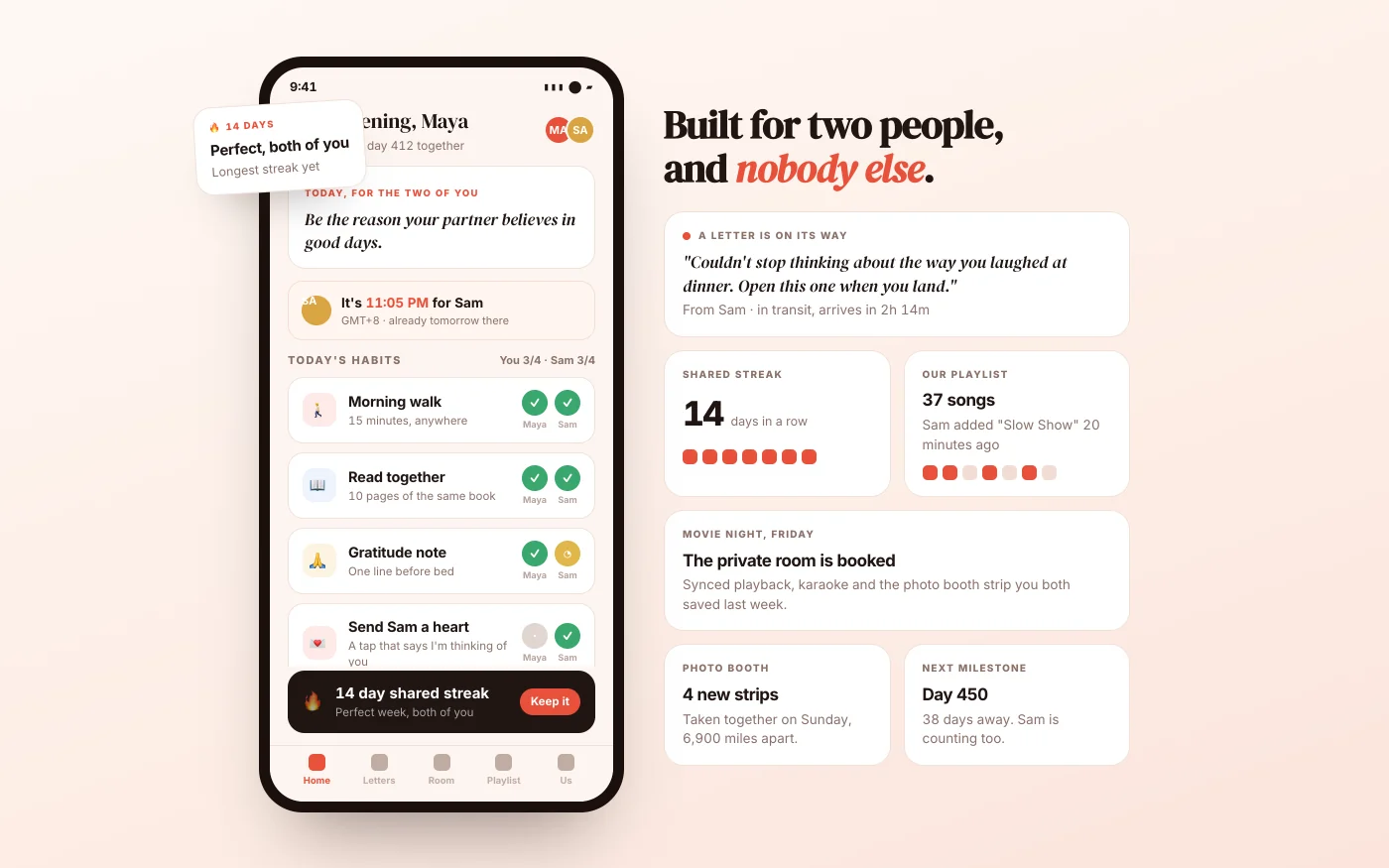
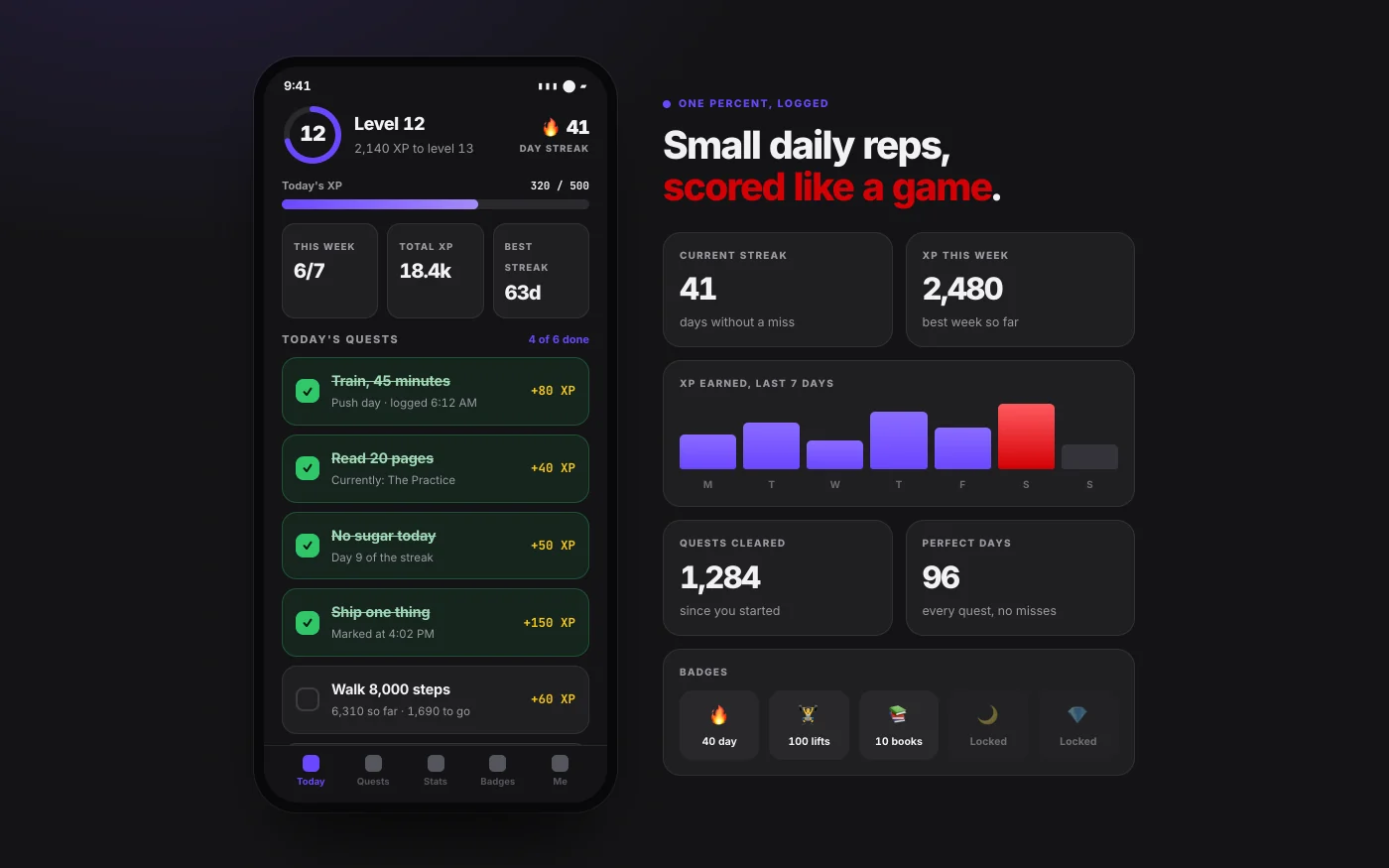
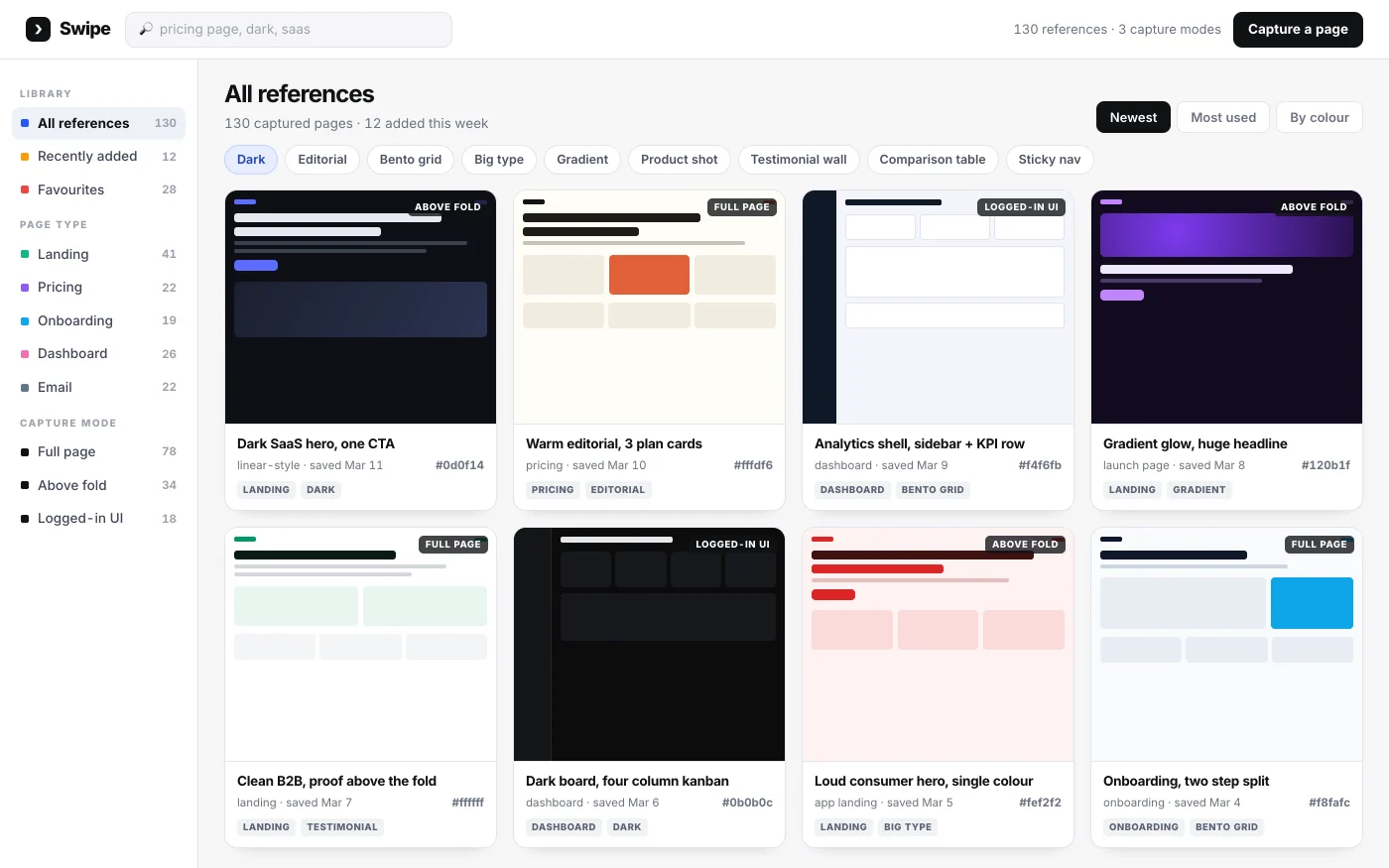
A CRM workspace I built, showing pipeline, tasks and inbox on one screen

Client portals

Your clients stop emailing you for status. They log in and see it.

Automations

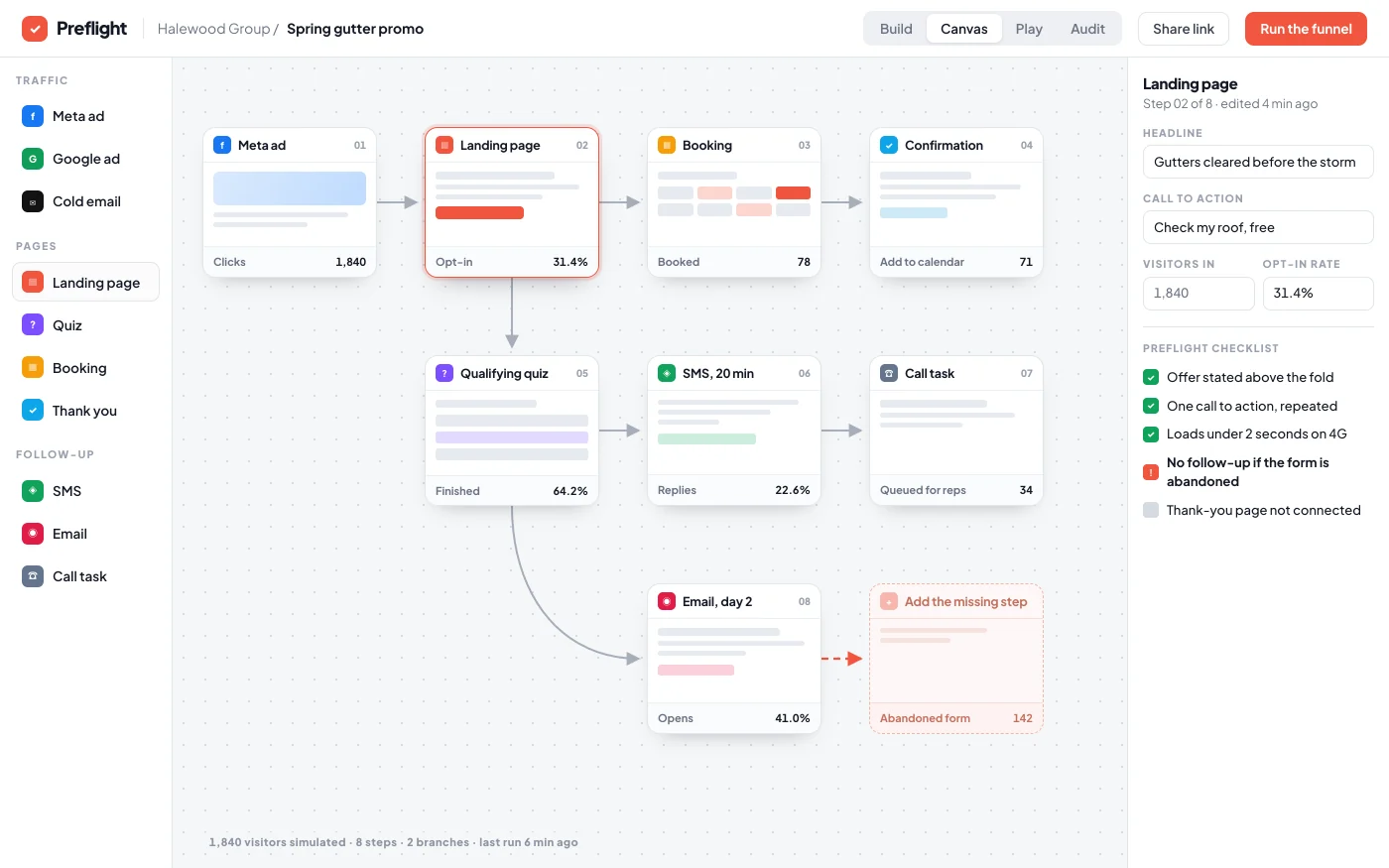
The handoffs between your tools, closed. No more “did anyone tell accounting.”

Document and data pipelines

Invoices, contracts, applications, intake forms. Read, extracted, filed, and routed without a human opening them.

Custom web apps

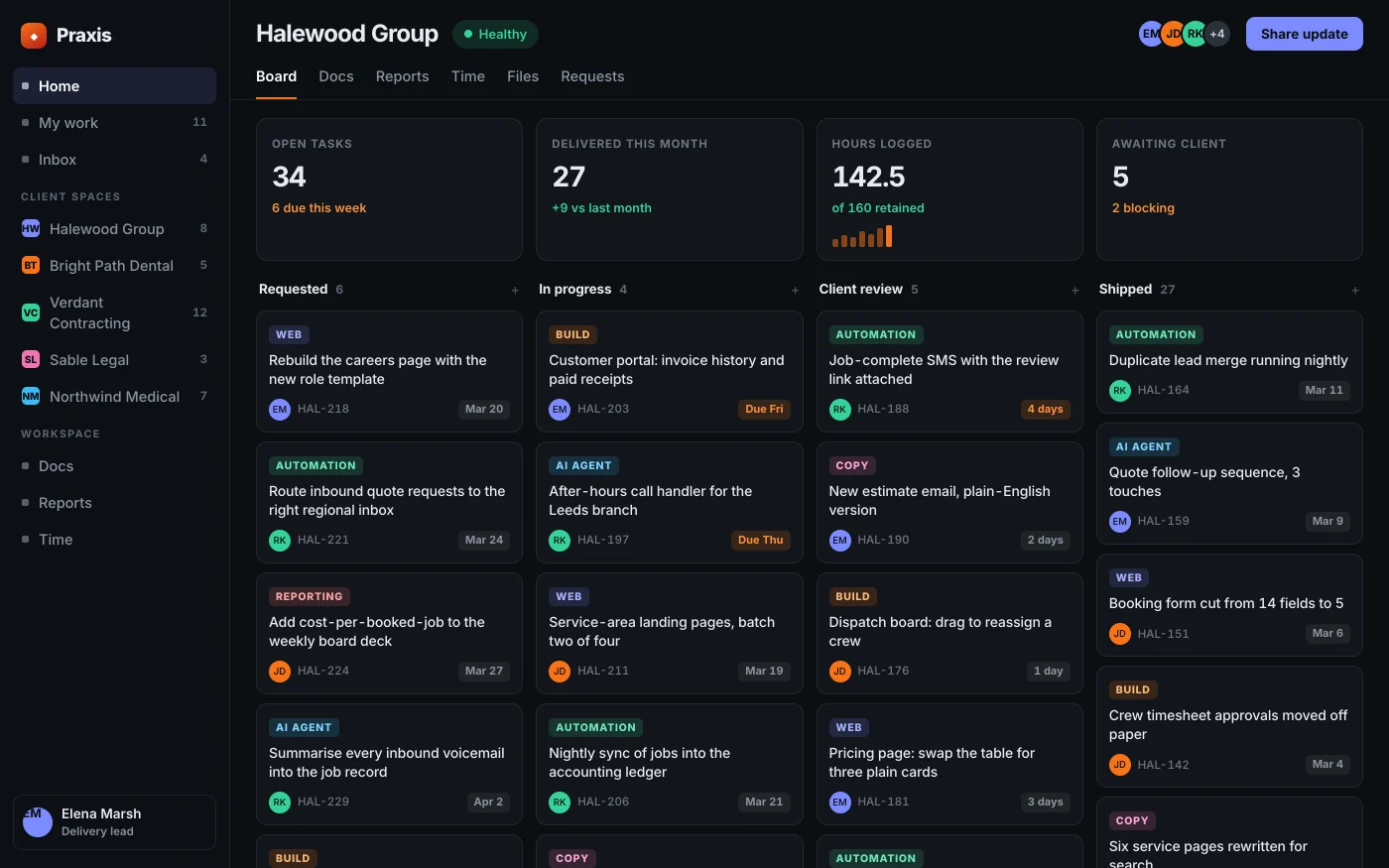
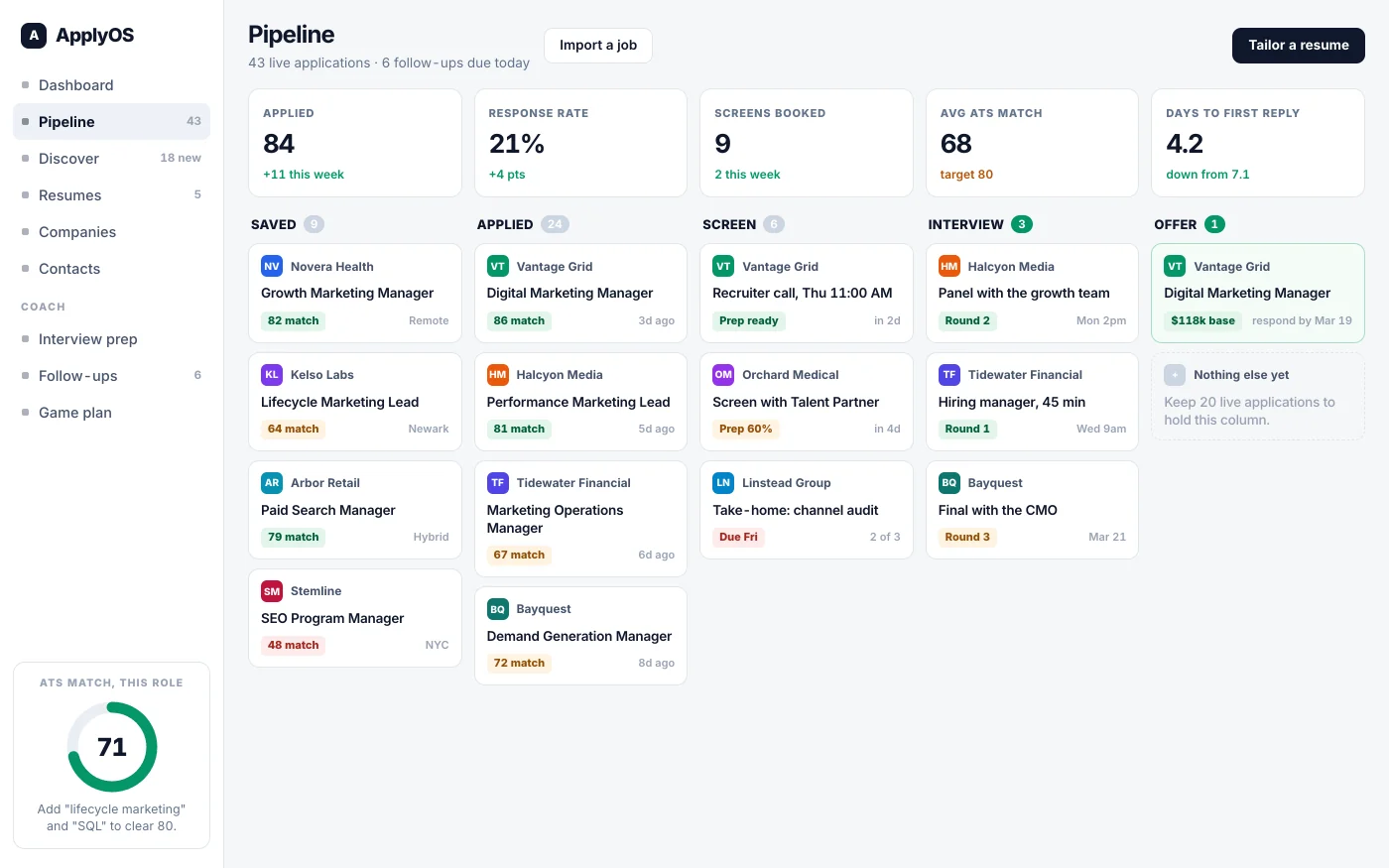
For when nothing off the shelf fits how you actually work, and you have spent three years bending your business around software instead of the other way around.

A custom operations app I built for an agency

Not sure which one you need? That is what the call is for. That is most people.

Shipped and running

Systems doing the job right now.

Commercial roofing contractor

North Carolina

An AI voice agent answers every inbound call, recognizes repeat callers by number, pulls their history, answers roofing questions from the company knowledge base, and books the inspection straight into the calendar.

Booking round trip verified end to end on live calls.

Commercial construction contractor

Progress billing and project control

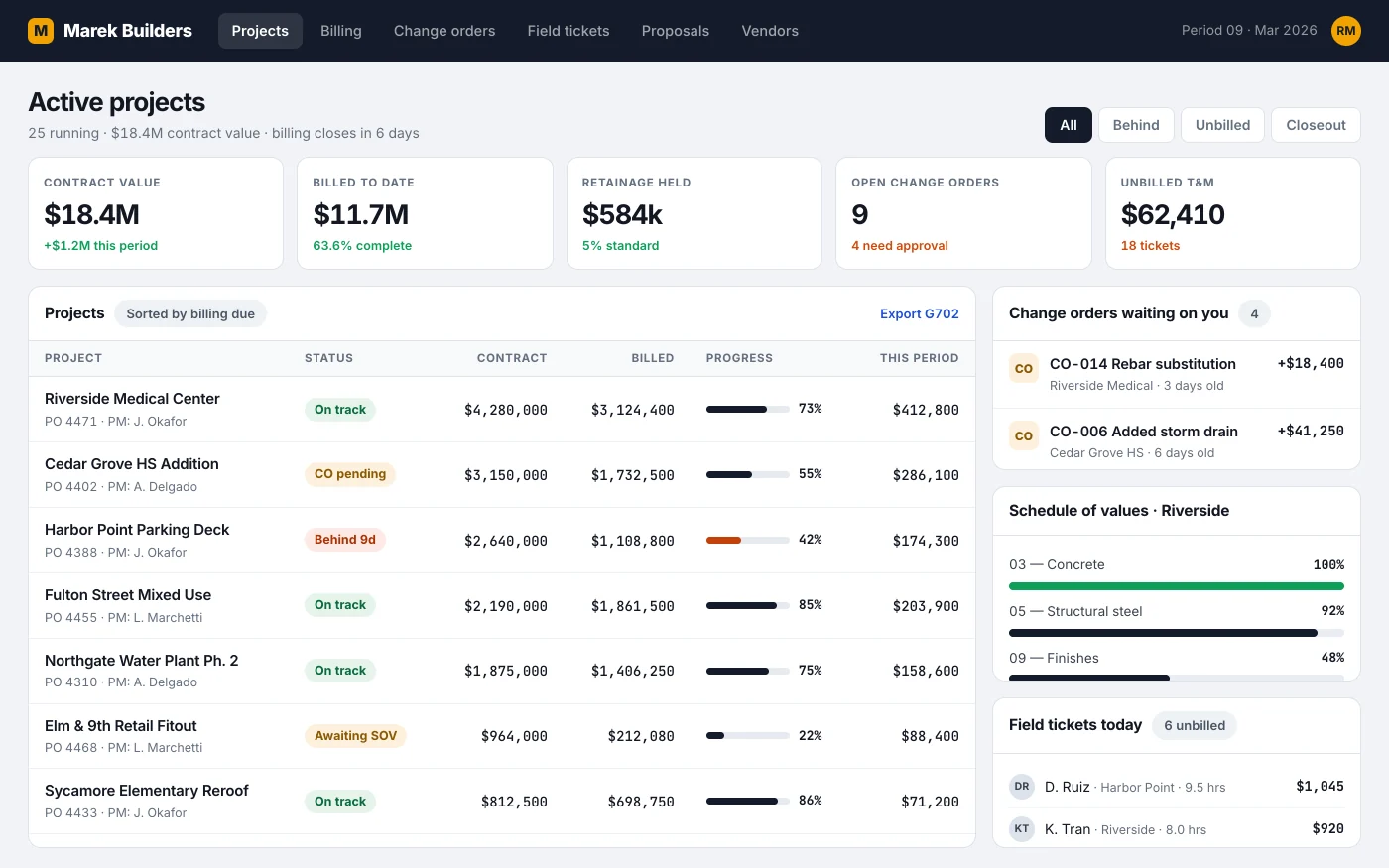
AIA G702 and G703 progress billing, schedule of values, change orders, time and materials tickets, and proposals. The paperwork that normally takes a project administrator a full week a month.

25 active projects running through it.

Heavy civil contractor

Same platform, bigger operation

The same system carrying a materially heavier load, with proposals and project records for a much larger book of work managed from one place instead of across a shared drive.

43 projects and 53 proposals live.

Client names available on the call. Some are under agreements that keep them off a public page, and I would rather say that than invent a logo wall.

Four steps. Two weeks.

  1. Day 1

    Book thirty minutes

    No deck, no discovery phase, no proposal in five business days. You talk, I ask questions, and by the end you know what I would build. You keep that map either way.

  2. Day 1

    Send $1,000

    That is it. No contract with a schedule of exhibits attached to it.

  3. Day 5

    Watch it work

    On your data. Not a mockup, not a slide, not a recording of somebody else's product doing something vaguely similar. Then you decide.

  4. Day 14

    It goes live

    Running in your business. Documented. Yours, down to the logins.

You do not have to trust me.
You have to spend $1,000.

Yes on day 5? Send the $4,000. It is live in your business by day 14.

No on day 5? Keep what I built and walk. You never send me another dollar, and I will tell you who to call instead.

Straight about the money. The $1,000 is spent either way. It bought the prototype, and the prototype is yours regardless. I am not going to bury that in a terms page.

And if I am late. If it is not live and working by day 14, the $4,000 is not due until it is. You pay for a delivered system, never for a promise.

No team. That is the feature.

You will not get handed to an account manager. You will not get a junior who learned this last quarter practicing on your business. Nobody offshore is touching your data at 2am.

I scope it, I build it, I ship it, I fix it. Same person every time. You get my phone number, not a ticket portal.

I build four of these a month. Not because of a counter on this page, but because I am the one writing the code and there are only so many days in a month. When I am full I will say so.

And about the obvious question. You own the code, the accounts, and the logins, outright. If I get hit by a bus tomorrow, whoever you hire next inherits a working, documented system instead of a mess and a phone number that does not answer. Every other shop keeps you on their platform because that is where their leverage is. I would rather earn the next month.

Pricing

One price. There is not a second page.

The Build

$5,000one time

One system. Scoped in thirty minutes. Running in fourteen days.

  • Working prototype on your real data by day 5
  • Live in your business by day 14
  • You own it: code, accounts, logins, keys
  • No seats. No per user fees. No lock in.

Included, because the build is not the hard part. Keeping it is.

  • Handoff kit: screen recording plus a plain English doc $750
  • ROI one pager with your numbers on it $500
  • Rollout script for telling your team $300
  • Thirty day fix it window after launch $500

Total value $7,050. You pay $5,000.

Start with $1,000

$1,000 today. $4,000 the day it goes live.

The Build Plan

$2,500per month

Optional. Most people take it. Nobody has to.

  • A new system every month
  • Unlimited changes to the ones you have
  • Hosting, monitoring, and the 3am fixes you never hear about
  • Pause or cancel anytime

Cancel and your systems keep running. They are on accounts you own. You just stop getting new ones.

A full year of both is $35,000. The hire was $147,000, needed a laptop, needed a manager, took eleven days of PTO, and is looking at your competitor's job posting right now.

Questions you are about to ask.

What if it does not work?

You will know on day 5, before you have spent more than $1,000, and you keep whatever I built. That is the entire point of doing it in that order.

What does it cost to run after you are done?

Usually $20 to $150 a month in API and hosting, paid by you directly to the providers, not marked up through me. I give you the real number on the call before you spend anything. If your use case is genuinely expensive to run, you hear it on the call, not on day 13.

Do I need a developer after this?

No. That is what the handoff kit is for. If you want changes and do not want to think about it, that is the Build Plan. If you want to hire someone later, the code is documented and standard, so they can pick it up.

What if you get hit by a bus?

You own the code, the accounts, and the logins. Someone else can take it over. This is the actual reason I do not host you on my own platform.

I tried Zapier and it broke constantly.

Zapier is good glue for simple things and it falls apart the moment your logic has real branching, real error handling, or real volume. This is custom code with error handling and monitoring, not fourteen triggers duct taped together.

My business is different. Will this actually fit?

That is why the prototype gets built on your data instead of shown to you as a template. If your business really is the exception, you find out on day 5 for $1,000 instead of on month 4 for $147,000.

Is my data safe?

It stays in your accounts, under your logins. I tell you exactly what touches what before we start. If you are in a regulated industry with a formal vendor security review, say so on the call. I am one person and cannot service enterprise procurement, and I would rather tell you that than waste your month.

Why is this cheaper than the other quotes I got?

You are not paying for a sales team, an account manager, a project manager, or an office. Comparable builds run $5,000 to $15,000 at agencies. Mine is $5,000 because the overhead is not there, not because the work is smaller.

How is this different from just buying software?

Off the shelf software makes you change how you work. This does what you already do, the way you already do it. If something off the shelf actually fits you, I will tell you to buy it. I have done that.

My team is going to hate this.

Some of them will, for about a week, until they work out which part of their job it ate. It is almost never the part they liked. That is what the rollout script is for, and it is the thing most people underestimate.

Can you do a quick automation for a few hundred bucks?

No. Wrong person for that. Not a judgment, it is just not what this is.

How many can you take on?

Four builds a month. When I am full, I will say so.

Book thirty minutes.

You will leave the call knowing what to build, what it costs, and whether you should hire the person after all. Sometimes the answer is that you should. I will tell you that too.

Start with $1,000

The day you post the req you have already started spending the money this replaces. The window closes when you sign an offer letter, not when a timer runs out.